
Introduction
Owning a car brings freedom and convenience, but it also comes with responsibility. Just like our bodies need regular check-ups, your vehicle requires consistent car service to stay reliable. Many drivers only think about maintenance when something goes wrong—like strange noises, warning lights, or poor fuel economy. By then, small issues may have turned into expensive repairs.
Regular car service isn’t just about changing oil or rotating tires. It’s a proactive way to protect your investment, ensure safety for you and your family, and enjoy a smoother driving experience every day. In this guide, we’ll cover everything from basic maintenance to advanced tips, so you can make informed decisions and avoid common pitfalls.
Whether you’re a new driver or have been behind the wheel for years, understanding auto maintenance and vehicle servicing will save you time, money, and stress. Let’s dive in.
What Exactly Is Car Service?
Car service refers to the routine inspection, cleaning, adjustment, and replacement of parts to keep your vehicle operating at its best. It goes beyond simple repairs—it’s preventive care designed to catch problems early.
Mechanics perform a multi-point inspection during routine car maintenance. They check fluid levels, tire condition, brakes, lights, and more. This process helps identify wear and tear before it affects performance or safety.
Think of car service as a health check-up for your car. Neglecting it can lead to reduced fuel efficiency, higher emissions, and even breakdowns on the highway. On the other hand, staying on top of it extends your car’s lifespan significantly—often well beyond 200,000 miles with proper care.
Modern vehicles have onboard computers that monitor systems, but they can’t replace a trained technician’s hands-on evaluation. Professional auto service uses specialized tools for accurate diagnostics, ensuring nothing gets missed.
Understanding Different Types of Car Service
Not all car service is the same. Services range from basic to comprehensive, depending on your vehicle’s needs and mileage.
Basic or Interim Service: This usually includes an oil change, oil filter replacement, fluid top-ups, and a visual inspection of key components like tires, brakes, and lights. It’s ideal for lower-mileage cars and helps maintain engine health.
Full or Major Service: A more thorough option that covers everything in a basic service plus deeper checks on the suspension, exhaust system, brake service, air filters, and spark plugs. This is recommended at higher mileage intervals or annually for older vehicles.
Specialized Services:
- Tire rotation and balancing: Ensures even wear and better handling.
- Wheel alignment: Prevents uneven tire wear and improves steering.
- Brake inspection and repair: Critical for safety—brake pads and fluid need regular attention.
- Transmission service: Fluid changes prevent costly gearbox issues.
- AC service and coolant flush: Keeps you comfortable and prevents overheating.
Mobile car service options have become popular, bringing mechanics to your home or office for convenience. Many shops also offer express oil change for quick turnarounds.
Choosing the right type depends on your driving habits, vehicle age, and manufacturer’s recommendations. Always consult your owner’s manual for specifics.
Recommended Car Maintenance Schedule: Time vs. Mileage
Manufacturers provide schedules based on both mileage and time. Follow whichever comes first—especially important if you drive less but still need to maintain fluids that degrade over time.
Every 5,000–10,000 miles (or 6–12 months):
- Oil change and filter (more frequent with conventional oil; synthetic allows longer intervals).
- Tire rotation.
- Fluid level checks (brake, coolant, power steering, windshield washer).
Every 30,000 miles (or 2–3 years):
- Air and cabin filters replacement.
- Brake inspection and possible pad/rotor service.
- Spark plugs (depending on type).
Every 60,000–100,000 miles:
- Transmission fluid change.
- Timing belt or chain inspection (critical for many engines).
- Coolant flush and major tune-up.
Time-based maintenance matters even with low mileage. Oil can absorb moisture and contaminants, brake fluid becomes hygroscopic (absorbs water), and batteries degrade regardless of miles driven. Many experts recommend servicing at least twice a year.
Track your service history in a log or app. This not only keeps you organized but also boosts resale value when selling your car, as buyers love documented preventive maintenance.
Key Components Checked During a Typical Car Service
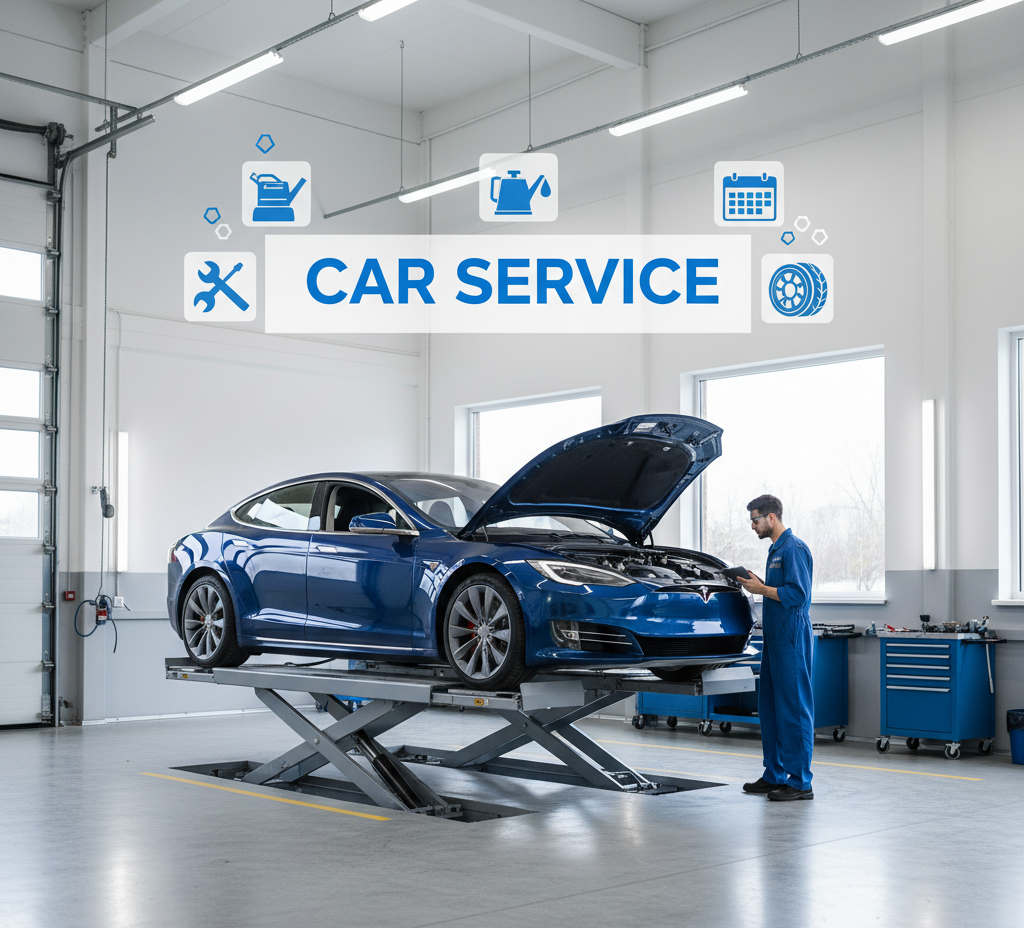
A professional car service involves a detailed multi-point inspection. Here’s what technicians usually examine:
- Engine and Fluids: Oil condition, coolant levels, and leaks. Clean or replace filters to maintain engine performance.
- Braking System: Pads, rotors, calipers, and fluid. Worn brakes are a major safety risk.
- Tires and Wheels: Tread depth, pressure, alignment, and balancing. Proper tire maintenance improves grip and fuel economy.
- Battery and Electrical: Voltage test, connections, and charging system. A weak battery can strand you unexpectedly.
- Suspension and Steering: Shocks, struts, and linkages for smooth ride and control.
- Lights and Wipers: All bulbs, signals, and blade condition for visibility.
- Exhaust and Emissions: Check for leaks or issues that could fail inspections.
Technicians also scan for diagnostic trouble codes (DTCs) using OBD tools, especially if the check engine light is on. This auto diagnostics step catches electronic or sensor problems early.
Bold tip: Always ask for a detailed report after service. It helps you understand what was done and what might need attention next.
Major Benefits of Regular Car Servicing
Investing in routine car maintenance pays off in multiple ways:
- Enhanced Safety: Well-maintained brakes, tires, and lights reduce accident risk. A reliable car gives you confidence on the road.
- Better Fuel Efficiency: Clean filters, proper tire pressure, and fresh oil help your engine run efficiently, saving money at the pump—sometimes up to 10% or more.
- Extended Vehicle Lifespan: Preventive maintenance prevents major failures, letting many cars last 12+ years or 200,000+ miles.
- Lower Long-Term Costs: Small fixes now avoid expensive repairs later, like engine rebuilds or transmission overhauls. Budget roughly 6–11 cents per mile for maintenance and repairs.
- Higher Resale Value: Service records prove you’ve cared for the vehicle, making it more attractive to buyers.
- Improved Performance and Comfort: Smoother acceleration, quieter operation, and reliable AC or heating.
- Environmental Benefits: A tuned engine produces fewer emissions and runs cleaner.
Regular car service truly is one of the smartest things you can do as a vehicle owner.
Practical Tips to Save Money on Car Service
You don’t have to break the bank to keep your car healthy. Here are actionable car maintenance tips:
- Follow the owner’s manual religiously—don’t rely on generic advice.
- Use the correct oil type (synthetic where recommended) for longer intervals between changes.
- Check tire pressure monthly and keep tires properly inflated to improve mileage and longevity.
- Learn simple DIY tasks like replacing wiper blades, air filters, or topping fluids (but leave complex jobs to pros).
- Compare quotes from reputable shops and look for service packages or coupons.
- Maintain a service history to negotiate better deals or higher trade-in values.
- Drive gently—avoid aggressive acceleration and short trips that don’t warm up the engine fully.
Consider full service auto repair shops that offer warranties on parts and labor. Some provide vehicle care subscriptions for predictable monthly costs covering routine jobs.
Avoid extremely cheap services that skip thorough inspections—they might cost more in the long run.
How to Choose the Right Service Center
Not all shops are equal. Look for certified technicians (ASE-certified where possible), positive reviews, and transparent pricing. Dealership service centers excel with brand-specific knowledge and tools, while independent auto repair shops often offer competitive rates and personalized service.
Ask questions: What does the service include? Do you provide a written estimate? What’s the warranty? A trustworthy center will happily explain everything in plain language.
For busy drivers, mobile mechanic options or express service can be lifesavers without sacrificing quality.
Frequently Asked Questions (FAQ)
How often should I get a car service? It depends on your vehicle, but generally every 5,000–10,000 miles or 6–12 months. Always check your manual for the exact maintenance schedule.
What’s the average cost of routine car service? Basic oil change and inspection might run $50–$150. Full service can range higher depending on location and what’s included. Budget $50–$150 monthly overall for maintenance and unexpected repairs.
Do I need synthetic oil? Many modern cars benefit from it due to longer intervals and better protection. Follow manufacturer specs.
How do I know if my brakes need service? Listen for squealing, feel for vibrations, or notice longer stopping distances. Have them inspected during every routine car maintenance.
Is it worth keeping service records? Absolutely. They support higher resale value and help diagnose future issues.
Can I skip service if my car runs fine? No—many problems develop silently. Preventive maintenance catches them early.
Conclusion
Car service is far more than a chore—it’s essential care that keeps your vehicle safe, efficient, and reliable for years. By understanding auto maintenance basics, following recommended schedules, and choosing quality service providers, you’ll enjoy fewer breakdowns, better performance, and significant savings over time.
Don’t wait for warning signs. Make regular car servicing part of your routine, and your car will thank you with dependable miles ahead. Whether it’s a quick oil change, thorough brake service, or complete inspection, staying proactive is the smartest move any driver can make.