The Day I Took a Chance on a Chinese SUV and It Actually Impressed Me
Last year I needed a family hauler that could handle Multan’s terrible roads, carry five people comfortably, and not destroy my fuel budget. Toyota and Honda prices were crazy, so I reluctantly test-drove a Haval Jolion and a Changan Uni-V. I went in expecting cheap build quality and future headaches.
I came out genuinely surprised. The cars felt modern, had features my old Honda could only dream of, and the drive was smooth. Since then, I’ve spent time with BYD Atto 3, MG HS, Changan Alsvin, and a couple of other Chinese automobiles. They’re not perfect, but in 2026 they’ve become a serious option for many Pakistani buyers. Let me tell you the real story — the wins, the frustrations, and the lessons I learned the hard way.
Why Chinese Cars Suddenly Became Impossible to Ignore
A few years ago, most people (including me) laughed at Chinese cars. “Cheap plastic, bad resale, parts problem after two years.” Fast forward to 2026 and the story has changed. Brands like BYD, Changan, MG, Haval, Chery, and ORA are everywhere on Pakistani roads.
The big reasons? Aggressive pricing, loaded features, improving build quality, and government push for new energy vehicles. During my research and ownership, I saw how these companies are investing heavily in Pakistan with local assembly.
My Personal Experience with Different Chinese Brands
Haval Jolion & Haval H6 These were my first proper taste. The Jolion surprised me with its premium interior, smooth turbo engine, and good ride quality. After 22,000 km, it’s been mostly reliable. The H6 feels like a proper family SUV with strong road presence.
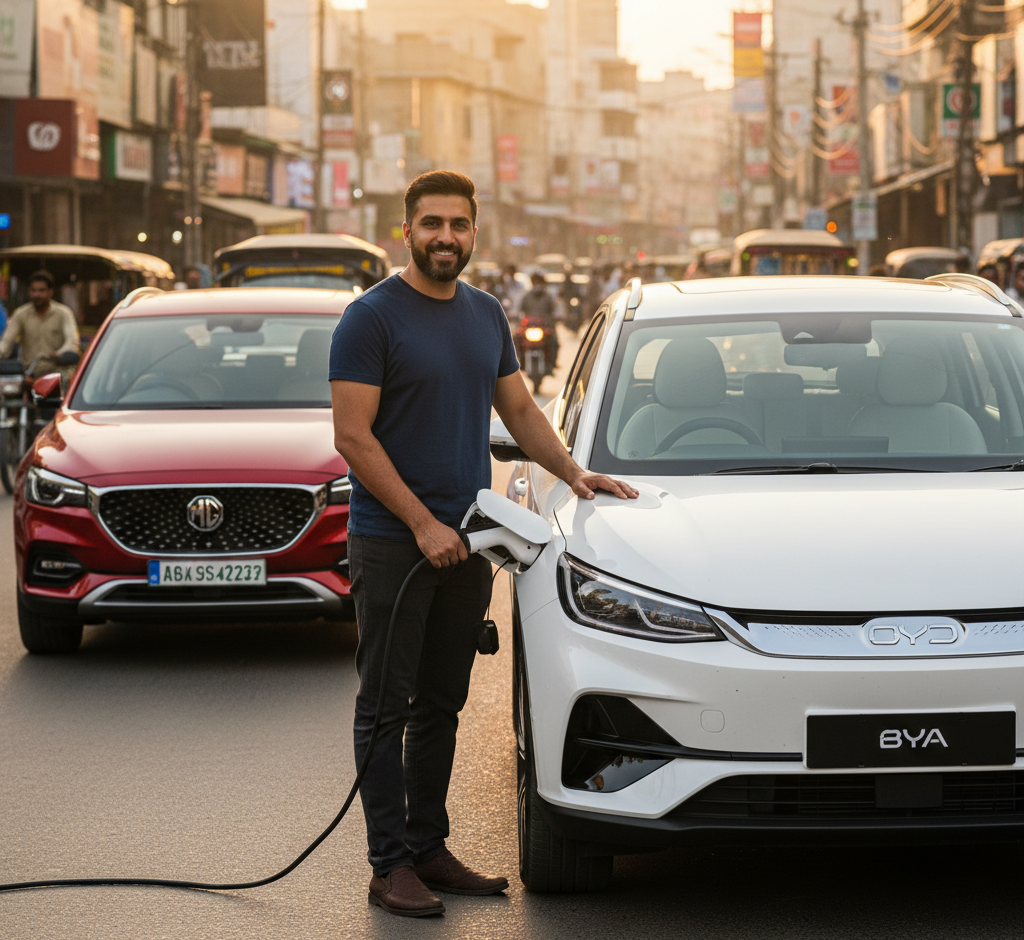
BYD Atto 3 This electric SUV is my current favorite daily. Instant torque is addictive, running costs are ridiculously low (almost free compared to petrol in city), and the build quality is genuinely good. I’ve done Multan to Lahore trips comfortably. The only issue is charging infrastructure outside big cities.
MG HS & ZS MG feels more “established” because of its British heritage. The HS offers great value with panoramic sunroof, good space, and decent performance. My friend’s MG has crossed 45,000 km without major drama.
Changan Alsvin & Uni Series The Alsvin is a solid sedan for those wanting something affordable yet modern. The Uni-V with its futuristic design turns heads everywhere.
What Chinese Automobiles Actually Do Well in 2026
Feature-to-Price Ratio You get Level 2 ADAS, big touchscreens, 360 cameras, wireless charging, and premium sound systems at prices that make Japanese brands sweat. My BYD has features my previous Honda Civic RS didn’t have.
Bold & Modern Design These cars look fresh. No more boring boxes — they have aggressive styling that appeals to younger buyers.
Ride Comfort & Technology Many models have excellent suspension tuning for Pakistani roads. The software and infotainment are often smoother than Japanese rivals.
Warranty & After-Sales Push Most offer 5-7 years warranty now. Dealers are expanding fast, and parts availability is improving rapidly.
Electric & Hybrid Options BYD especially is killing it with practical EVs and hybrids that actually suit our hot climate and traffic conditions.
The Real Challenges & Frustrations
It’s not all sunshine. Resale value is still weaker than Toyota or Honda. Some early adopters lost money when selling after 2-3 years.
Service experience varies wildly by dealership. Authorized centers are good, but some smaller ones feel unprofessional. Certain electronic gremlins and software bugs still appear.
Parts for body panels and specific electronics can take time if not stocked locally. One friend had to wait 25 days for a bumper after a minor accident.
Fuel efficiency on petrol models is average — not bad, but not class-leading either in real-world Pakistani driving.
Step-by-Step: How to Buy Chinese Cars Without Regret
- Define Your Priority Clearly Features and value → Chinese brands shine. Long-term resale and peace of mind → stick with Japanese for now.
- Test Drive Multiple Models Spend at least 30-40 minutes in real traffic and on highways. Check AC performance in summer heat.
- Research Local Ownership Join brand-specific Facebook groups and talk to multiple owners with 20,000+ km experience.
- Check Dealer Reputation Visit the service center before buying. Talk to existing customers there.
- Inspect Build Quality Check panel gaps, paint finish, interior materials, and underbody protection.
- Understand Running Costs Get real fuel/electricity figures from owners. Factor in insurance (sometimes higher) and future parts.
- Negotiate Hard These brands still have good margin for discounts, free maintenance packages, and accessories.
- Buy Extended Warranty Worth it for the first 5-7 years.
Real Use Cases from My Circle
Family Man in Multan — Bought Haval H6. Loves the space and features. Uses it for weekend trips to nearby cities.
Young Professional — Chose BYD Atto 3 for city commuting. Saving almost Rs. 12,000-15,000 per month on fuel.
Small Business Owner — MG HS for client meetings. Looks premium and has enough power for highways.
Budget Buyer — Changan Alsvin as first car. Happy with features and low running cost.
Common Mistakes People Make with Chinese Automobiles
- Buying purely on price and features without checking long-term ownership reality.
- Expecting Toyota-level resale after 4-5 years.
- Skipping proper test drives in summer heat and on rough roads.
- Choosing unknown smaller brands instead of established ones like BYD, MG, Changan, Haval.
- Ignoring service center location and parts availability in their city.
- Aggressive driving — many Chinese turbo engines need gentle treatment for longevity.
- Not updating software regularly — many improvements come via OTA.
I once recommended a friend to buy an early model from a lesser-known brand. He faced parts issues. Lesson learned: stick with bigger players who have proper local investment.
How Chinese Cars Compare in 2026 Pakistan
Vs Japanese (Toyota/Honda): Chinese win on features, warranty, and initial price. Japanese still win on resale, reliability perception, and service network.
Vs Local Brands (Suzuki): Chinese feel much more premium and safer.
Vs Each Other: BYD leads in EVs, Haval in SUVs, MG in balanced packages, Changan in value sedans.
For many middle-class families right now, Chinese automobiles offer the best bang for the buck if you plan to keep them 4-6 years.
The Bigger Picture: Chinese Automobiles Are Here to Stay
Chinese companies are investing heavily in Pakistan — local assembly, CKD plants, and R&D for hot climate conditions. Quality has improved dramatically from even 3-4 years ago. In 2026, they’re not “cheap Chinese cars” anymore. They’re legitimate competitors.
Battery technology in EVs from BYD especially is impressive. Their Blade Battery feels safer and more durable in our conditions.
Final Thoughts from the Driver’s Seat
After spending serious time with multiple Chinese automobiles, I can say they’ve earned their place in the Pakistani market. They’ve brought excitement, features, and affordability that was missing for years.
Would I buy one again? Absolutely — my next car is likely going to be a newer BYD or Haval hybrid. But I’d do it with eyes open: research the specific model, choose a strong dealership, and accept that resale might not match Japanese cars.
If you’re in the market and your budget is tight but you want modern features and good comfort, test drive Chinese options seriously. The gap has narrowed a lot.
These cars have changed how many of us think about value. The revolution is real, and it’s only getting better.