
The Day the Automotive Industry Hit Me Hard
A few years ago I was standing in a dealership in Multan waiting for my new car paperwork when the sales guy casually mentioned that delivery would take four months because of “chip shortage.” Four months! I laughed at first, thinking it was a joke. It wasn’t. That moment made me realize how deeply connected our daily driving life is to the massive, complex machine called the automotive industry.
Since then, I’ve bought multiple vehicles, imported parts, done major mods, visited assembly plants, talked to engineers, and followed the ups and downs of both global and Pakistani auto sector very closely. The industry is changing faster than most people realize — from electric vehicles knocking on the door to Chinese brands flooding the market and supply chain chaos that still affects us. Let me tell you the real story from someone who’s lived it, not just read about it.
How the Automotive Industry Actually Touches Our Lives in Pakistan
When I started driving in the early 2010s, the choices were simple: Toyota, Honda, Suzuki, maybe a used import. Today? Completely different ball game. You walk into a showroom and you see everything from hybrid Corollas to fully electric cars and budget-friendly Chinese crossovers.
I remember waiting eight months for my first new car during the crazy post-COVID period. Factories worldwide shut down, chips became more valuable than gold, and shipping containers were stuck everywhere. My local Toyota dealer told me they were getting only 30-40% of their normal allocation. That experience opened my eyes to how fragile yet powerful this industry is.
The Big Players Shaping the Automotive Industry Right Now
The global automotive industry is still dominated by giants like Toyota, Volkswagen, Hyundai, and GM, but the power is shifting fast. Chinese manufacturers (BYD, Changan, Chery, etc.) are growing incredibly quickly, especially in EV space. In Pakistan, we’re seeing this shift very clearly with new entrants and joint ventures.
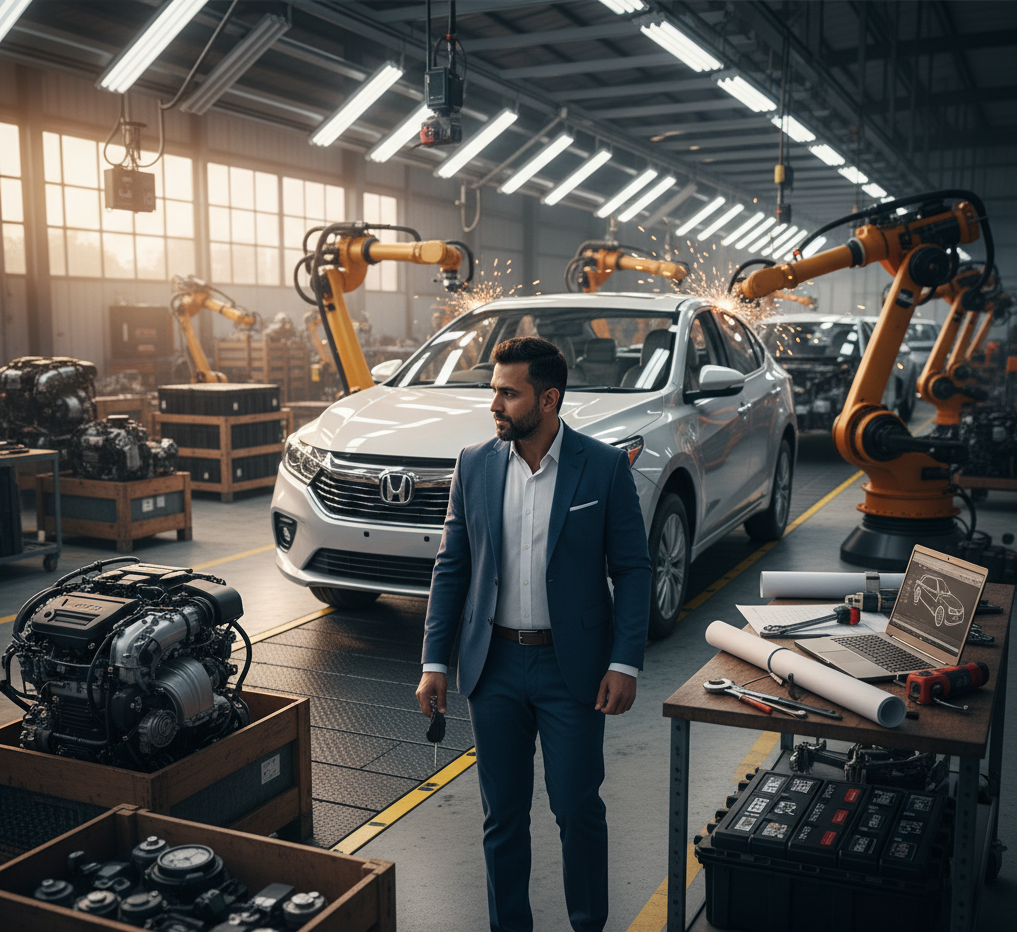
Locally, Indus Motor (Toyota), Honda Atlas, Pak Suzuki, and Millat Tractors still hold strong positions, but they’re all under pressure to bring newer technology while keeping prices reasonable for our market. I’ve visited a couple of these assembly plants — the level of automation has increased a lot in the last five years, but we still rely heavily on imported kits (CKD).
Electrification – The Biggest Change I’ve Witnessed
The move to electric vehicles is the most exciting and challenging thing happening in the automotive industry today. I got a chance to drive several EVs in Pakistan and abroad. The instant torque is addictive, and running costs are amazingly low. But the reality check comes with our infrastructure.
During one long trip on National Highway, the EV’s predicted range dropped sharply because of heat and high speeds. Charging infrastructure is still limited to big cities. I once waited 90 minutes at a public charger because only one was working. The industry is pushing hard, but we still have a long way to go on batteries, charging networks, and local manufacturing.
Hybrids are currently the smartest choice for most Pakistani buyers. I’m driving a hybrid right now and easily getting 22-25 km/l in mixed conditions. The industry has responded well here — many brands now offer hybrid versions of popular models.
Supply Chain Lessons That Cost Everyone Money
If there’s one thing I’ve learned the hard way, it’s how interconnected everything is. During the 2021-2023 crisis, even simple things like brake pads and sensors were delayed for months. I made the mistake of ordering performance parts from abroad without checking shipping costs — the final bill was almost double what I expected because of freight rates.
Manufacturers are now trying to localize more. I spoke to a supplier in Lahore who started making wiring harnesses locally. Quality took time to match Japanese standards, but prices are much better now. This localization push is one of the most important things happening in Pakistan’s automotive industry.
The Used Car and Aftermarket Boom
The automotive industry isn’t just about new cars. The used car market and aftermarket parts business are massive. I’ve bought and sold several cars over the years. During shortage periods, good used cars were selling at almost new prices. Now the market has cooled a bit, but imported used cars (especially hybrids) are still very popular.
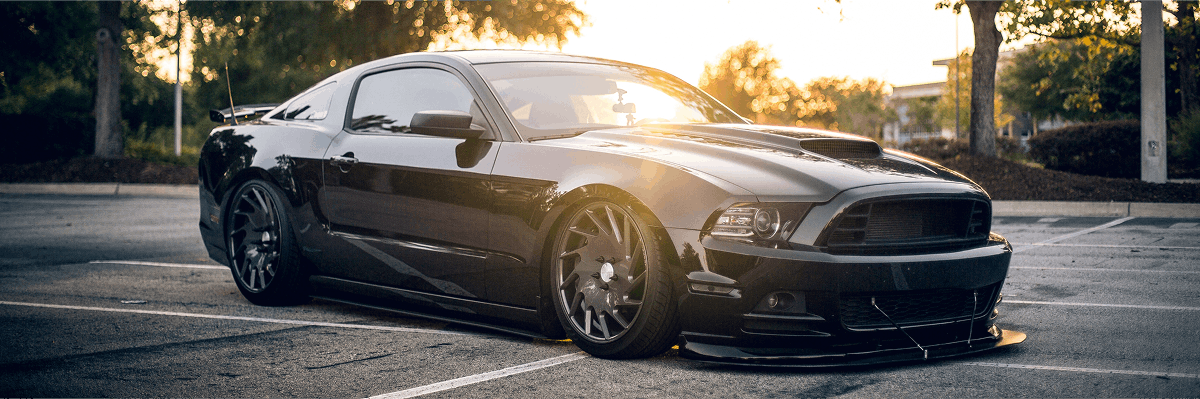
The aftermarket scene in Pakistan is crazy creative. People in my circle have built some insane turbo setups and suspension kits. However, I’ve also seen engines blown because of low-quality Chinese parts. Choosing the right supplier matters a lot.
Step-by-Step: How to Make Smarter Decisions in Today’s Automotive Industry
Here’s what I personally follow now:
- Research Real Ownership Costs Don’t just look at sticker price. Factor in fuel, insurance, parts availability, and resale value. Hybrids win here for many.
- Check Local Assembly vs Import Locally assembled cars usually have better parts support and warranty service.
- Test Drive in Real Conditions Take the car on the roads you actually use — city traffic, highways, rough patches.
- Verify Features Actually Work Here Some ADAS systems struggle with our road markings and traffic style.
- Think Long Term Will this car still have parts available in 7-10 years?
- Compare Multiple Brands Visit different dealerships. Big automotive groups make this easier now.
- Inspect Used Cars Properly Always get a trusted mechanic for pre-purchase inspection. I once skipped this and regretted it badly.
Challenges Facing the Automotive Industry in Pakistan
High taxes, import duties, fluctuating rupee, and inconsistent policies create headaches for both manufacturers and buyers. Inflation has made cars expensive, pushing many people toward used options or keeping old cars running longer.
Another big issue is skill development. The industry needs more trained technicians for modern electronics, hybrid systems, and EVs. I’ve seen workshops struggling to find people who can properly diagnose new vehicles.
Road infrastructure and fuel quality also affect how manufacturers tune cars for our market. Engines have to be reliable on 87-90 octane fuel and survive terrible roads.
Opportunities and Positive Changes I’m Seeing
Despite the problems, there’s real progress. More localization, new investments in EV assembly, better quality from Chinese partners, and younger buyers demanding modern features. Some Pakistani startups are even working on local EV solutions and battery tech.
The aftermarket and modification industry is creating jobs and pushing creativity. I know several young engineers who started their own tuning shops and are doing impressive work.
Common Mistakes People Make When Dealing with the Automotive Industry
- Buying purely on brand name without checking current reliability data
- Ignoring total cost of ownership for the next 5-8 years
- Falling for heavy discounts on outgoing models that will have poor resale
- Buying feature-loaded cars without realizing maintenance costs
- Importing cars without proper research on duties and registration issues
- Choosing cheap aftermarket parts that end up costing more in the long run
I made several of these mistakes myself. My first “performance” exhaust lasted only 14 months and then started rusting badly. Cheap parts looked good initially but created bigger problems.
What the Next 5 Years Look Like for the Automotive Industry
I believe we’ll see more hybrid and electric options, stricter emission rules, better connected cars, and hopefully more local manufacturing. Chinese brands will keep growing aggressively. Traditional Japanese players will fight back with more hybrid and affordable EV offerings.
Autonomous features will come slowly to our market, mostly as safety aids rather than full self-driving. Software updates and over-the-air capabilities will become normal even in mid-range cars.
Final Thoughts from the Road
The automotive industry has given me some of the biggest headaches and some of the best moments. There’s nothing like picking up a new car after waiting months or finally sorting out a tricky mechanical issue in the garage at 1 a.m.
It’s an incredibly complex industry — affected by everything from global chip supply to local taxes and fuel prices. But at the end of the day, it’s still about giving people reliable, safe, and hopefully enjoyable ways to move from one place to another.
If you’re thinking of buying a car, modifying one, or even considering a career in this field, stay curious and do your homework. The industry rewards people who understand both the big picture and the small practical details.