The Morning a Wrong Spec Rumor Cost Me Money on a New Car Booking
It was early 2025 when I almost booked a popular hybrid SUV based on “reliable” WhatsApp forwards and one influencer video claiming it was getting a big power upgrade. I held off because something felt off. A couple of weeks later, proper automotive news outlets clarified it was only a minor facelift with no major mechanical changes. I saved myself a potential mismatch and waited for the actual 2026 models.
That incident made me realize how noisy the car world has become. Between YouTube hype, dealer whispers, and social media, separating real automotive news from noise is harder than ever. For the last few years I’ve built a solid routine of following the industry closely — as someone who buys, mods, and occasionally advises friends on cars. Let me share how I do it, what’s happening in 2026, the mistakes I’ve made, and how you can stay ahead without getting overwhelmed.
Why Staying Updated with Automotive News Actually Matters in Real Life
I run a small side business that involves occasional fleet decisions and help friends and family with purchases. Missing key updates can be expensive. When BYD announced local assembly plans in Pakistan for mid-2026, I adjusted my recommendations for clients looking at EVs. Those who acted early on hybrids benefited from better deals before demand spiked.
In 2026 the industry feels more fragmented than ever. Global headlines talk about slowing pure EV growth in some markets, hybrids having their moment, tariff impacts, and software-defined vehicles becoming mainstream. In Pakistan, we see a mix: conventional car sales dipping while electric and hybrid interest grows strongly in certain segments.
How the Automotive News Landscape Has Changed
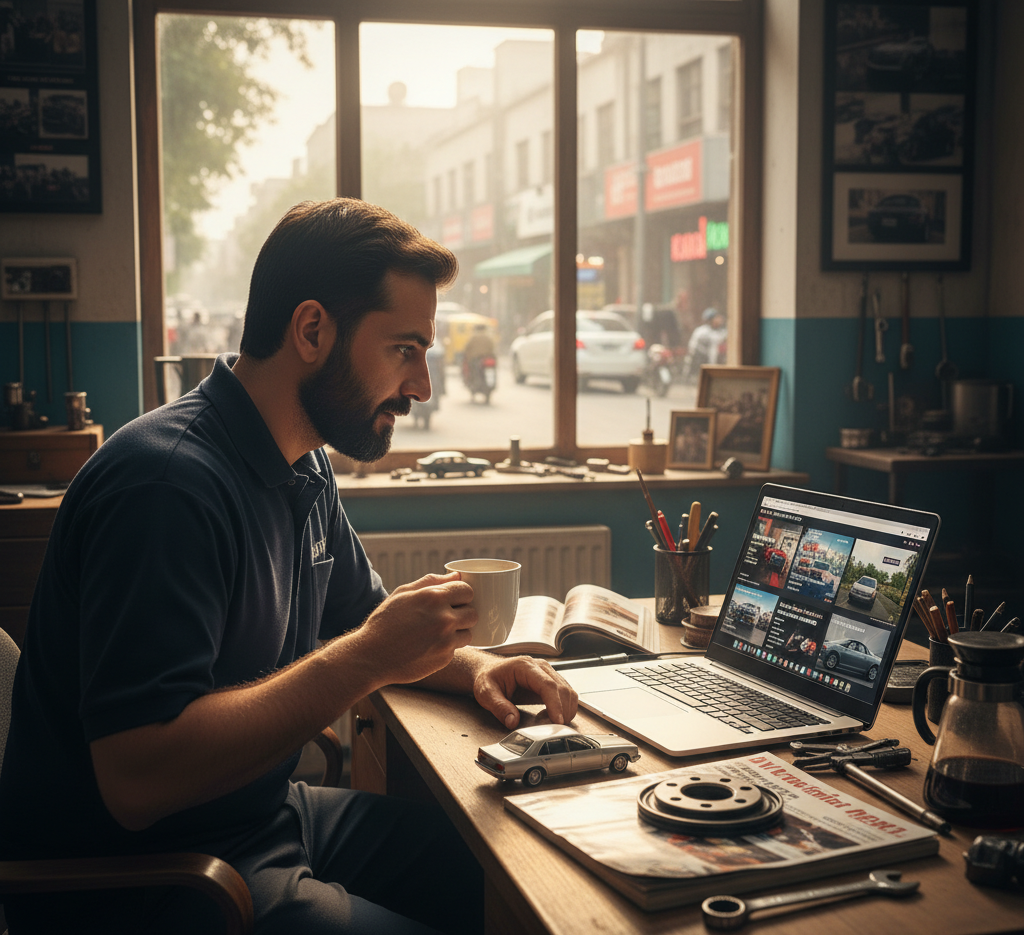
Ten years ago you read a couple of magazines and watched one TV show. Now it’s 24/7. I wake up, scroll trusted sources while having chai, and check deeper reports during the day. The volume is insane — from CES reveals with heavy AI and connected tech focus to monthly sales data from Pakistan Automotive Manufacturers Association.
One big shift I’ve noticed: Chinese brands and EVs dominate many conversations. BYD starting local production in Pakistan by mid-2026 is a game changer many people are still sleeping on. At the same time, traditional players like Toyota and Honda are pushing more hybrid options that suit our fuel prices and infrastructure reality better right now.
My Personal Routine for Following Automotive News Effectively
I don’t read everything — that’s impossible and stressful. Here’s what works for me in 2026:
I start with 3-4 reliable global and local sources every morning. Then I dig into specific topics that matter to Pakistani buyers — fuel efficiency, parts availability, resale value, and real-world reliability in our conditions.
I also follow industry analyst reports from places like Cox Automotive and PwC for bigger picture trends. Hybrids are exploding in popularity globally because they offer better total cost of ownership right now, and that matches what I’m seeing on Pakistani roads.
Big Stories That Caught My Attention in 2026 So Far
The slowing of pure battery EV adoption in several major markets surprised many. While China pushes hard, places like the US and Europe are seeing hybrids take a bigger share. Automakers are recalibrating — some even taking big write-offs on ambitious EV plans.
In Pakistan, the story is more optimistic on the EV front. Electric car sales jumped significantly in some months (over 60% in one reported period) while petrol cars declined. BYD’s upcoming local assembly is creating buzz, and more players are expected to follow.
Software and AI features are another hot area. New cars are getting over-the-air updates, advanced driver assistance, and smarter infotainment. I tested a car with Level 2 ADAS recently — it worked well on highways but needed careful handling in typical Pakistani traffic with motorcycles and rickshaws cutting in.
Tariffs and supply chain issues continue to affect pricing. New vehicle prices remain high, pushing many buyers toward used cars or better-equipped hybrids.
Real Examples: How Automotive News Changed My Decisions
Last year I was close to importing a specific EV model based on early hype. Deeper reporting showed charging infrastructure limitations and battery longevity concerns in hot climates. I switched to a strong hybrid instead — best decision for my usage pattern.
A friend almost bought a new crossover purely on social media buzz. After we checked proper road tests and ownership cost analyses from credible sources, he chose a different variant with better proven reliability and lower long-term costs. He’s thanking me every time he fills up now.
Step-by-Step: How to Build Your Own Automotive News Routine
- Pick 5-7 Trusted Sources Mix global (Automotive News, Reuters, Car and Driver) with local (ProPakistani, Pakistani auto portals, official association data).
- Set Specific Time Blocks 15-20 minutes in the morning for headlines, 30 minutes in the evening for deeper reads. Don’t doom-scroll all day.
- Focus on What Matters to You If you care about fuel economy, filter for efficiency tests and real-world reports. For tech, follow software and ADAS updates.
- Cross-Check Information One source saying “revolutionary new model” needs backup from multiple places before believing.
- Join Communities Wisely Good forums and WhatsApp groups can give ground-level feedback, but verify with professional reviews.
- Track Long-Term Trends Save key reports on sales data, pricing, and policy changes. Patterns emerge over months.
- Test Claims in Real Life Whenever possible, drive the cars being hyped and compare with the news.
Common Mistakes I’ve Made (and Seen Others Make)
- Believing early spy shots and rumors without waiting for official specs. I once waited months for a “confirmed” feature that never came.
- Getting influenced by brand marketing or influencer content without independent verification.
- Ignoring total ownership costs while chasing headline specs or discounts.
- Not considering local conditions — a car praised in Europe may struggle with our roads, dust, and fuel quality.
- Panic-buying during hype cycles (remember some EV rushes?).
- Dismissing hybrids too early because of “full EV future” narratives. In 2026 they make a lot of practical sense for many buyers.
One painful lesson: I recommended a car to a relative based on promising early reviews. After delivery, real-world fuel figures were 15-20% lower than advertised in city conditions. Now I always look for long-term tests.
The Skills You Need to Read Automotive News Properly
Learn to read between the lines. When a manufacturer says “we are committed to electrification,” check what they’re actually launching this year. Look at sales numbers, not just concepts. Pay attention to affordability — average transaction prices are high, affecting what actually sells.
In Pakistan, factor in resale value heavily. Some fancy tech-heavy cars lose value faster if local service and parts are expensive.
What I Expect to See More of in the Rest of 2026
Hybrids will stay strong. More affordable Chinese EV and hybrid options entering through local assembly. Continued focus on software updates making cars better over time. Possible policy tweaks around imports and localization.
Affordability remains the biggest issue. Many buyers are stretching loans longer or choosing used/certified pre-owned vehicles.
Final Thoughts from Someone Who Lives and Breathes This Stuff
Following automotive news properly has saved me money, prevented bad purchases, and helped me guide others toward better decisions. It’s not about knowing every single headline — it’s about understanding what actually affects your wallet and driving experience in real life.
The industry is moving fast with electrification, connectivity, and new players, but the fundamentals haven’t changed: you want a car that’s reliable, economical to run, safe, and holds value in our market.
Take time to build your information sources, stay skeptical of hype, and always relate big news to your actual needs. Whether you’re buying your first car, upgrading, or just a enthusiast, staying informed gives you a real edge.