The Trip That Made Me Question Everything About How We Travel
Two years ago I had to get from Multan to Karachi for a family emergency. I tried three different ways in one month: drove my car one time, took the train the second, and flew the third when things got urgent. Same route, completely different experiences. The car trip turned into a 14-hour adventure with a breakdown in the middle of nowhere. The train was relaxing but painfully slow. The flight was quick but left me feeling disconnected and exhausted from the airport chaos.
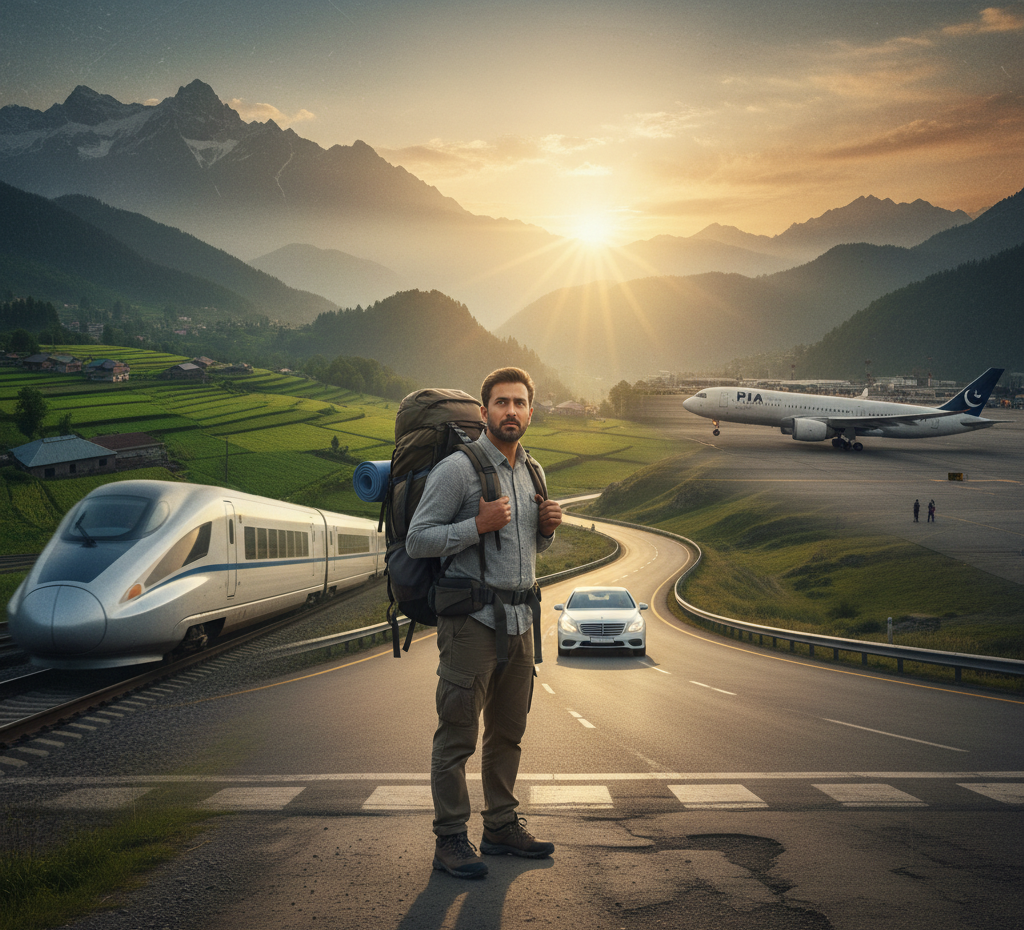
That month made me obsessed with really understanding trains, planes, and automobiles — not as separate things, but as choices we make every time we need to go somewhere. I’ve logged hundreds of thousands of kilometers across all three over the last 15 years, both in Pakistan and internationally. Let me tell you what actually works, what doesn’t, and the hard lessons I’ve paid for in time, money, and sanity.
Why This Comparison Matters More Than Ever in 2026
Travel isn’t just about getting from A to B anymore. Fuel prices, road conditions, flight delays, train reliability, and even your own comfort and carbon footprint all play a role. As someone who mixes business trips, family visits, and occasional adventures, I’ve learned that picking the right mode can make or break your entire experience.
In Pakistan especially, the differences are huge. Our roads are improving but still brutal in places, trains are nostalgic but slow, and flying is convenient until you factor in airport hassles and cost.
My Early Car Addiction and the Reality Check
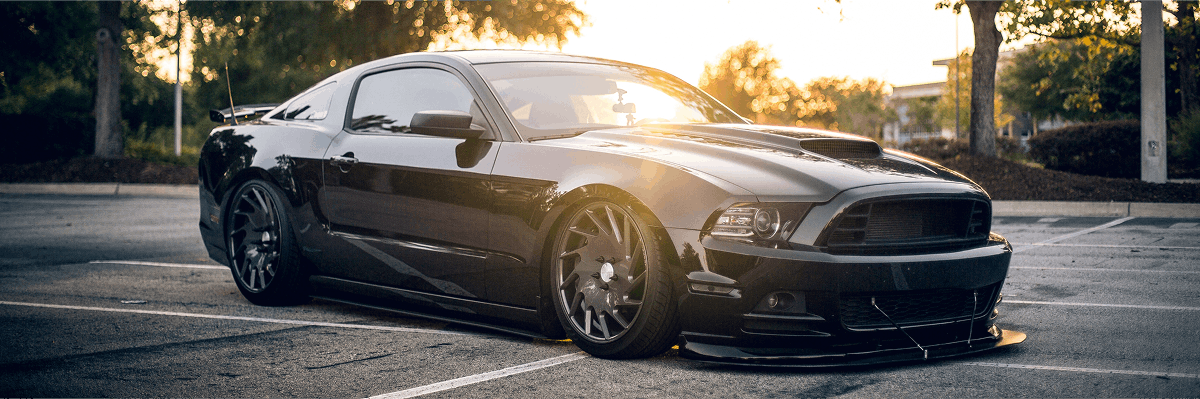
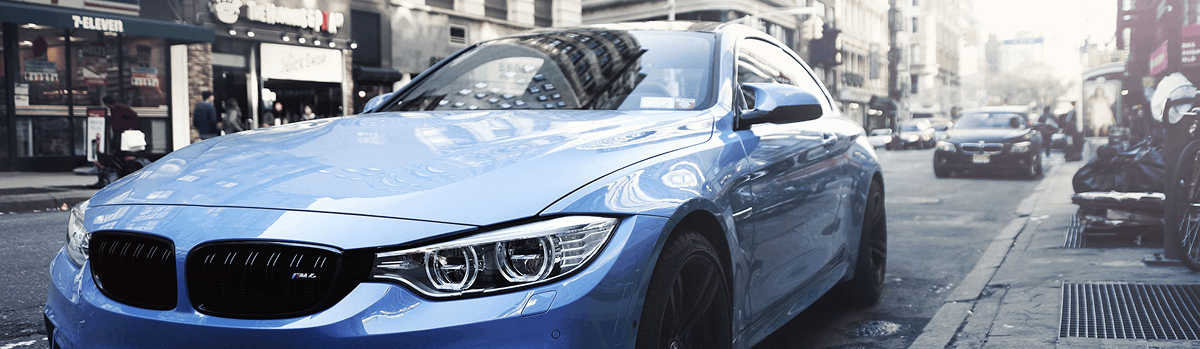
I started with automobiles, like most people. There’s something freeing about throwing your bag in the boot and leaving whenever you want. I’ve done Lahore to Islamabad multiple times by road, Multan to Quetta, and even cross-border drives.
The freedom is real. You control the music, stops, and route. I once took a spontaneous detour through the Potohar plateau at sunset — views you’ll never see from a plane or train window. But the downsides hit hard too. On one trip from Multan to Sukkur, my car’s AC died in 45°C heat. We limped along with windows down, arriving exhausted and dehydrated.
Modern cars have improved a lot. Hybrids and better suspension make long drives tolerable now. Still, fatigue is real after 8+ hours behind the wheel.
The Romance and Reality of Train Travel in Pakistan
There’s something special about Pakistani trains. The Green Line, Pakistan Express, or even the old Bolan Mail have a charm that cars and planes can’t match. I’ve taken the overnight train from Lahore to Karachi twice. You meet interesting people, eat fresh parathas at stations, and actually sleep (mostly) while moving.
But let’s be honest — it’s rarely on time. One journey that was supposed to take 18 hours stretched to 26 because of signal issues and waiting for other trains. The bathrooms can be rough, and food options are limited if you don’t plan ahead.
Still, for budget-conscious travel with decent scenery, trains win in many cases. I once saved almost 60% compared to flying while being far more comfortable than a bus.
Flying: The Fastest Way That Still Feels Slow
Nothing beats the speed of planes. Multan to Karachi in under 2 hours is incredible compared to 12+ hours by road or train. I’ve flown PIA, AirSial, Serene, and international carriers. The views of the Indus River or mountains from above never get old.
But the full experience? Getting to the airport 3 hours early, security, delays, cramped seats on domestic flights, and then fighting for a taxi at arrival. One time my flight was delayed 7 hours. I could have driven and almost reached by then.
Modern planes are impressive though. Better entertainment systems, quieter cabins, and improved fuel efficiency. Business class on long hauls is a game-changer when your company pays.
Head-to-Head Comparison: What I’ve Actually Learned
Speed Planes win easily. Trains come last in Pakistan. Cars are flexible but tiring.
Cost Trains are usually cheapest for long distances. Cars win for small groups or families if you share fuel. Planes can be competitive during sales but expensive otherwise.
Comfort It depends. A good train berth or business class flight beats economy car seats. My back prefers trains for overnight journeys.
Reliability Cars win because you control them. Planes and trains suffer from external factors — weather, technical issues, or infrastructure.
Scenery & Experience Trains offer the best ground-level views. Cars give freedom to stop. Planes give dramatic aerial perspectives but you miss everything in between.
Environment Trains are generally most efficient per passenger. Planes have high emissions per trip. Cars sit in the middle, especially hybrids and EVs.
Real Trips Where Each Mode Shined (or Failed)
Family Trip to Naran Valley We took our SUV. Best decision. Stopped wherever we wanted, carried lots of luggage, explored side valleys. A train or plane couldn’t have done this.
Business Meeting in Dubai Flew direct. Saved two full days compared to any other option. Worth every rupee.
Budget Trip to Lahore with Friends Took the train. Cheap tickets, played cards all night, arrived fresh. Driving would have been exhausting with four people taking turns.
Emergency Run to Islamabad Drove through the night when flights were fully booked. Made it in 9 hours with good planning. Never doing that again though — too risky.
Step-by-Step: How I Choose the Right Mode Now
- Define the Purpose Business? Leisure? Emergency? Family? This decides almost everything.
- Calculate Total Cost Include fuel/tickets + food + ground transport + time value. A “cheap” train can become expensive if you lose a workday.
- Check Current Conditions Road closures, train schedules, flight reliability, weather. I always cross-check multiple apps.
- Consider Group Size & Luggage More people and bags usually favor cars or trains.
- Factor in Health & Energy At 35+, I don’t drive 12 hours straight anymore. Flying or overnight trains preserve energy.
- Book in Advance When Possible Cheap flight deals and confirmed train berths save money and stress.
- Have a Backup Plan Always. Flights get cancelled. Trains get delayed. Cars break down.
Tech Improvements Making Each Better
Automobiles now have ADAS, hybrid powertrains, and better navigation. I love how my current car warns about speed cameras and suggests efficient routes.
Trains are slowly getting faster with new projects and better tracking apps. Some international high-speed lines feel like the future.
Planes have better WiFi, lie-flat seats in premium, and sustainable aviation fuel experiments. Apps for real-time tracking help a lot.
Common Mistakes I’ve Made Traveling
- Underestimating driving fatigue → nearly caused an accident once.
- Booking the cheapest flight without checking airline reputation → horrible experience.
- Assuming trains would run on time → missed important meetings.
- Not checking luggage limits → paid heavy excess fees.
- Ignoring weather and seasonal factors → got stuck in floods during a road trip.
- Choosing mode based on ego (“I only fly”) instead of practicality.
One expensive lesson: I once drove 800km with bad tyres to “save money.” Two punctures and a blowout later, the repair bill was higher than a flight would have cost.
Packing and Preparation Tips That Actually Work
For cars: Keep emergency kit, power bank, offline maps, and snacks. For trains: Book lower berths, carry your own bedsheet, and download movies. For planes: Use noise-cancelling headphones, compression socks on long flights, and always carry essentials in cabin bag.
I now keep one “go bag” ready with items useful for all three modes.
The Future I See for Trains, Planes, and Automobiles
Electric and autonomous cars will change road trips. High-speed rail projects could make trains competitive again. Sustainable aviation and better connectivity will improve flying.
In Pakistan, I hope we see better integration — proper airport-to-city rail links, improved highways, and reliable train services. The combination of all three working together would be ideal.
Final Thoughts from the Road, Rails, and Runways
After years of mixing trains, planes, and automobiles, I’ve stopped believing there’s one perfect mode. Each has its place depending on the journey, budget, time, and mood.
The best travelers I know are flexible. They understand the strengths and weaknesses of each option and choose wisely instead of defaulting to whatever is trendy or familiar.
Next time you need to go somewhere, pause and think beyond the obvious choice. Sometimes the slower option gives you better memories. Sometimes speed is everything. And sometimes the journey in between is what you’ll remember most.