
A Simple Oil Change That Changed My Perspective
Most people don’t think much about finding a mechanic until something goes wrong. That’s exactly what happened to someone close to me. What started as a routine oil change turned into a conversation about worn brake pads, a weak battery, and a small coolant leak that could have become a much bigger problem.
The interesting part wasn’t the repairs—it was the way the technician explained everything. Instead of pushing unnecessary services, they showed photos of the worn parts, explained which repairs were urgent and which could safely wait, and answered every question without pressure.
That experience reminded me that a good automotive shop isn’t just about fixing cars. It’s about building trust.
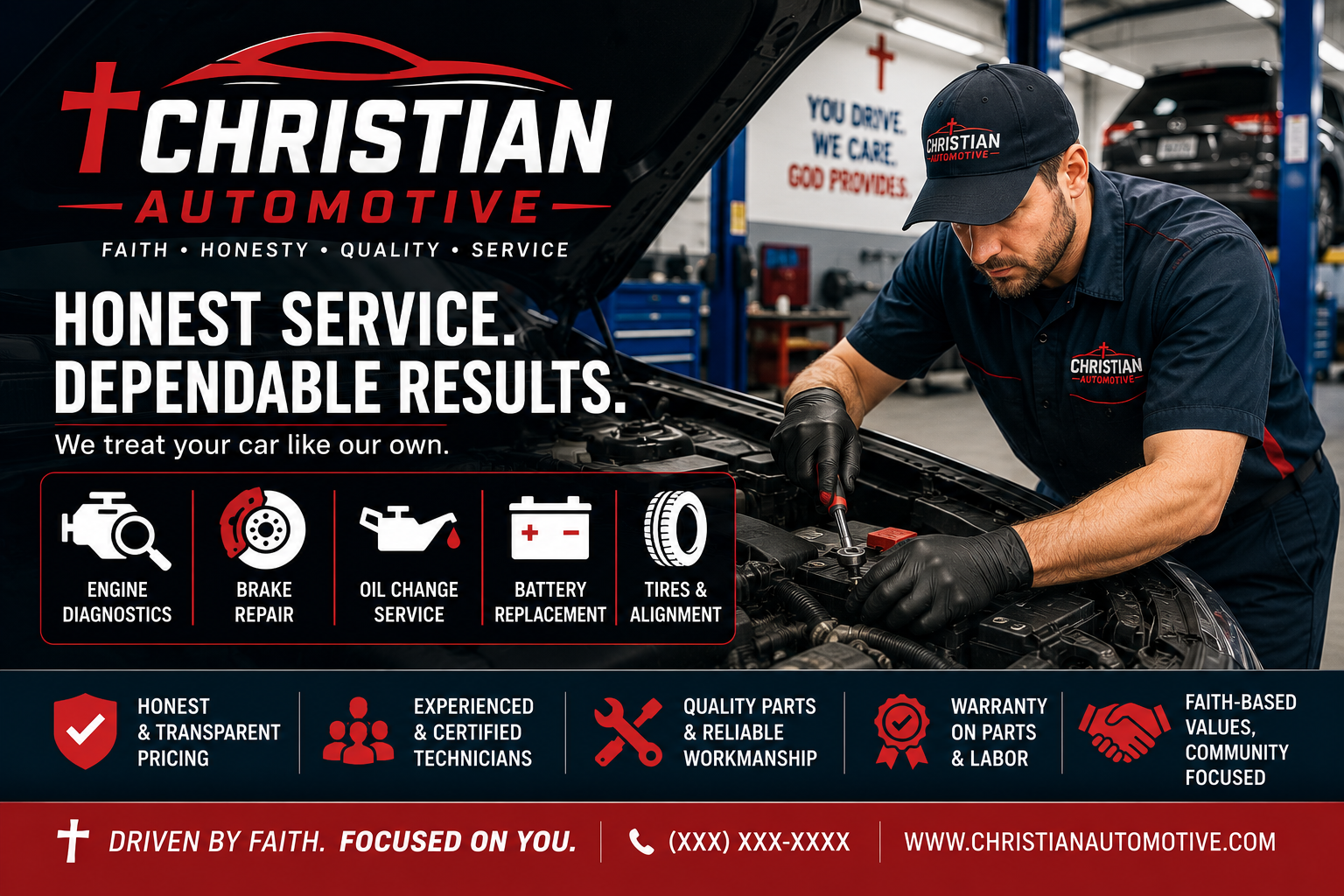
If you’ve been searching for information about Christian Automotive or wondering what makes an automotive repair shop reliable, this guide covers the services you should expect, how to choose the right mechanic, and the simple habits that help keep your vehicle running smoothly.
Why Choosing the Right Automotive Shop Matters
A vehicle is one of the biggest investments most people make. Whether you drive daily to work or only use your car on weekends, regular maintenance plays a major role in keeping it dependable.
A quality automotive repair shop focuses on more than fixing problems. It helps prevent them.
Professional service centers commonly provide:
- Engine diagnostics
- Oil changes
- Brake repair
- Battery replacement
- Cooling system service
- Suspension repair
- Tire rotation and balancing
- Steering repair
- Transmission maintenance
- Preventive vehicle inspections
Staying consistent with these services helps reduce unexpected breakdowns and expensive repairs.
Essential Automotive Services Every Driver Should Know
Oil Change Service
Engine oil lubricates moving parts and reduces friction inside the engine.
Skipping oil changes may lead to:
- Increased engine wear
- Poor fuel economy
- Sludge buildup
- Engine overheating
Following the maintenance schedule in your owner’s manual is one of the easiest ways to extend engine life.
Brake Inspection and Repair
Brakes are your vehicle’s most important safety feature.
Watch for warning signs like:
- Squealing noises
- Grinding sounds
- Vibrations when braking
- Longer stopping distances
- Brake warning light
Replacing brake pads before they wear completely can prevent damage to the brake rotors.
Engine Diagnostics
Modern vehicles rely heavily on electronic sensors.
If the check engine light appears, professional diagnostic equipment can identify the problem quickly instead of relying on guesswork.
A proper diagnosis often saves both time and money.
Battery Replacement
A weak battery rarely fails without warning.
Common symptoms include:
- Slow engine cranking
- Dim headlights
- Electrical accessories working poorly
- Frequent jump starts
Testing the battery and charging system ensures you’re replacing the correct component.
Cooling System Repair
Your engine depends on the cooling system to maintain a safe operating temperature.
Cooling system maintenance may include:
- Radiator inspection
- Coolant replacement
- Water pump service
- Thermostat replacement
- Hose inspection
- Leak detection
Addressing cooling system problems early helps prevent severe engine damage.
What Makes a Reliable Automotive Repair Shop?
Not all repair shops provide the same level of service.
Here are a few qualities worth looking for.
Honest Communication
A trustworthy technician should explain:
- What’s causing the problem
- Why the repair is needed
- Whether the repair is urgent
- What options are available
Clear explanations help customers make informed decisions.
Transparent Pricing
Always request a written estimate before approving repairs.
Knowing the expected cost helps avoid surprises.
Experienced Technicians
Well-trained mechanics stay updated on changing automotive technology and can work on both older and newer vehicles.
Quality Replacement Parts
Using reliable replacement parts often improves durability and reduces the chances of repeat repairs.
Repair Warranty
A repair warranty reflects confidence in the quality of workmanship and installed parts.
Simple Maintenance Habits That Save Money
Preventive maintenance costs far less than major repairs.
Here are a few easy habits every driver should follow.
Check Tire Pressure Monthly
Proper inflation improves:
- Fuel efficiency
- Tire life
- Handling
- Braking performance
Monitor Fluid Levels
Check:
- Engine oil
- Coolant
- Brake fluid
- Power steering fluid
- Windshield washer fluid
Keeping fluids at the proper level helps prevent mechanical problems.
Listen for New Noises
Unusual sounds often indicate developing issues.
Pay attention to:
- Clicking
- Grinding
- Knocking
- Squealing
Early diagnosis usually means lower repair costs.
Don’t Ignore Dashboard Warning Lights
Warning lights are designed to alert you before serious damage occurs.
Having them checked promptly can prevent much larger repairs later.
Common Mistakes Drivers Make
Many expensive automotive repairs begin with small, avoidable mistakes.
Waiting Too Long
Ignoring minor problems often leads to more complicated and expensive repairs.
Choosing the Lowest Price Without Research
The cheapest repair isn’t always the best value.
Experience, quality parts, and reliable workmanship matter just as much as price.
Skipping Routine Maintenance
Regular oil changes, brake inspections, and coolant service help extend the life of your vehicle.
Ignoring Tire Wear
Uneven tire wear can signal alignment or suspension problems that should be corrected early.
A Practical Example
A driver noticed a slight vibration whenever driving above 60 mph.
At first, it seemed like a minor inconvenience.
During a scheduled service visit, technicians found that one front tire was badly out of balance and the wheel alignment was slightly off.
Correcting those issues eliminated the vibration, prevented uneven tire wear, and improved overall handling.
It’s a good reminder that small changes in how a car feels can often point to problems that are relatively inexpensive to fix when caught early.
Questions Worth Asking Before Any Repair
Whenever your vehicle needs service, don’t be afraid to ask questions such as:
- What caused this issue?
- Is the repair urgent?
- Can I see the worn part?
- How long will the repair take?
- Is there a warranty?
- Are OEM or high-quality aftermarket parts being used?
A professional repair shop will gladly explain the answers.
Building a Long-Term Relationship With One Repair Shop
One of the smartest decisions many drivers make is sticking with a repair shop they trust.
Over time, technicians become familiar with your vehicle’s service history, making it easier to identify recurring issues and recommend maintenance before problems become serious.
This long-term relationship often leads to more accurate repairs, better maintenance planning, and greater confidence every time your vehicle needs attention.
Final Thoughts
Keeping your vehicle reliable isn’t about waiting until something breaks—it’s about paying attention to small warning signs and staying consistent with routine maintenance.
Whether you need an oil change, brake service, battery replacement, engine diagnostics, or cooling system repair, choosing a trustworthy automotive shop makes every repair less stressful.
By asking questions, following your vehicle’s maintenance schedule, and addressing problems early, you’ll spend less time dealing with unexpected breakdowns and more time enjoying dependable, worry-free driving.