
The Day I Realized a Good Mechanic Is Worth More Than a Cheap Repair
A few years ago, someone I know bought a used sedan that looked perfect on the outside. The test drive went smoothly, the engine sounded healthy, and everything seemed fine. A month later, the check engine light came on, followed by strange noises from the suspension.
Instead of taking the car to the first repair shop with the lowest price, they decided to spend a little extra time looking for a reputable automotive service center. That decision made a huge difference. The mechanic explained every issue clearly, showed photos of the worn parts, and recommended only the repairs that actually needed immediate attention.
That experience reinforced an important lesson: choosing the right automotive repair shop can save far more money than simply choosing the cheapest one.
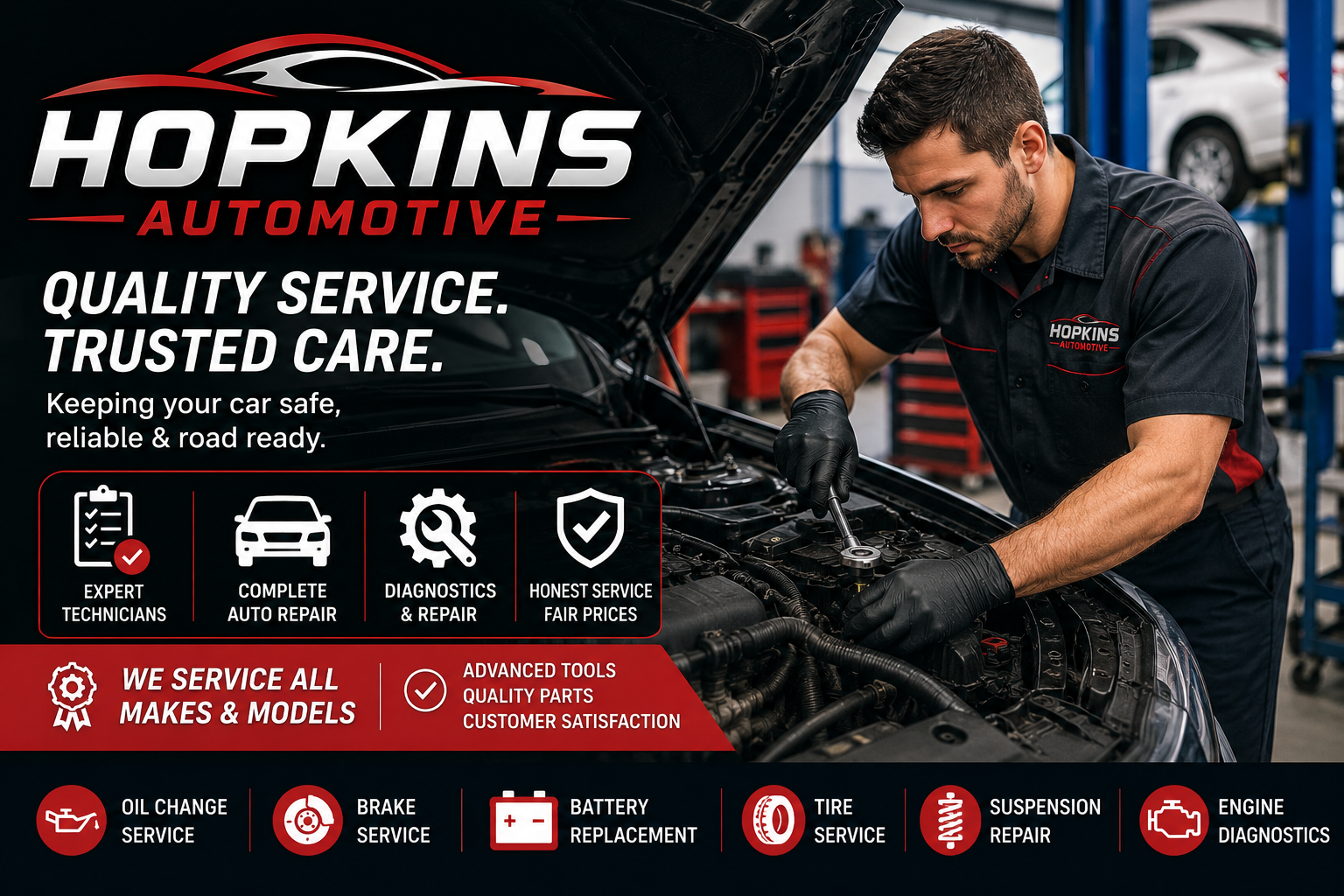
If you’ve been searching for information about Hopkins Automotive or wondering what makes an automotive repair shop trustworthy, this guide covers everything you should know before booking your next service.
Why Choosing the Right Automotive Shop Matters
Your vehicle is one of the biggest investments you make. Regular maintenance and quality repairs help it stay reliable, safe, and efficient for years.
A professional automotive repair shop typically offers services such as:
- Engine diagnostics
- Brake repair
- Battery replacement
- Oil changes
- Cooling system repair
- Suspension service
- Steering repair
- Transmission maintenance
- Tire services
- Preventive maintenance
Finding one shop you trust can make vehicle ownership much less stressful.
Services You Should Expect From a Professional Automotive Repair Shop
Engine Diagnostics
Modern vehicles rely on dozens of sensors and computer systems.
When the check engine light appears, professional diagnostic equipment helps identify the exact problem instead of relying on guesswork.
Proper diagnostics save both time and money.
Brake Repair
Brakes are among the most important safety components.
Signs you may need brake service include:
- Squealing noises
- Grinding sounds
- Vibration while braking
- Soft brake pedal
- Longer stopping distance
Replacing brake pads early prevents more expensive rotor damage later.
Oil Change Service
Routine oil changes remain one of the simplest ways to extend engine life.
Fresh oil:
- Reduces friction
- Prevents overheating
- Protects internal engine components
- Improves performance
Following your vehicle manufacturer’s maintenance schedule is always recommended.
Battery Replacement
Nothing ruins your day faster than a car that refuses to start.
Common battery warning signs include:
- Slow engine cranking
- Dim headlights
- Dashboard battery warning light
- Electrical issues
- Frequent jump starts
Testing the battery before replacing it helps ensure the real problem isn’t a faulty alternator or charging system.
Cooling System Repair
An overheating engine should never be ignored.
Professional cooling system service may include:
- Radiator inspection
- Thermostat replacement
- Water pump repair
- Coolant flush
- Hose replacement
- Leak detection
Prompt repairs help prevent costly engine damage.
What Makes a Good Automotive Repair Shop?
Not every repair shop provides the same level of service.
Here are a few qualities worth looking for.
Honest Communication
A trustworthy mechanic explains:
- What’s wrong
- Why it happened
- Which repairs are urgent
- Which repairs can safely wait
Clear communication builds confidence.
Modern Diagnostic Equipment
Today’s vehicles are more advanced than ever.
Professional shops invest in updated diagnostic tools that help identify problems accurately.
Experienced Technicians
Training and experience matter.
Qualified technicians understand both older vehicles and the latest automotive technologies.
Written Estimates
Always request a written estimate before approving repairs.
It helps prevent unexpected costs later.
Warranty on Repairs
A repair warranty shows confidence in the quality of both parts and workmanship.
Simple Maintenance Tips Every Driver Should Follow
Preventive maintenance is usually far less expensive than emergency repairs.
Here are a few habits that make a noticeable difference.
Check Tire Pressure Monthly
Proper tire pressure improves:
- Fuel economy
- Tire life
- Vehicle handling
Replace Engine Oil Regularly
Fresh engine oil protects expensive engine components from excessive wear.
Monitor Fluid Levels
Regularly inspect:
- Engine oil
- Coolant
- Brake fluid
- Power steering fluid
- Windshield washer fluid
Listen for Unusual Sounds
Grinding, squealing, knocking, or clicking noises are often early warning signs that something needs attention.
Watch Dashboard Warning Lights
Ignoring warning lights usually turns small repairs into expensive ones.
Common Mistakes Drivers Make
Many major repairs begin with simple mistakes.
Waiting Too Long
Ignoring small issues often leads to larger repair bills.
Choosing Price Over Quality
The cheapest repair isn’t always the best value.
Quality workmanship and reliable parts often save money in the long run.
Skipping Routine Maintenance
Oil changes, coolant replacement, tire rotations, and brake inspections all help prevent major mechanical problems.
Ignoring Tire Wear
Uneven tire wear can indicate suspension or alignment problems that should be corrected early.
A Practical Example
A driver noticed that the steering wheel vibrated slightly while driving at highway speeds.
At first, it seemed like a minor annoyance.
During a routine inspection, technicians discovered worn suspension components and an alignment issue.
Repairing the suspension and performing a wheel alignment solved the vibration before it caused premature tire wear or more expensive steering repairs.
Small symptoms often point to problems that are much easier—and less expensive—to fix when caught early.
Questions to Ask Before Approving Repairs
Whenever your vehicle needs service, don’t hesitate to ask:
- What caused this problem?
- Is the repair urgent?
- Can you show me the damaged part?
- How long will the repair take?
- Is there a warranty?
- Are quality replacement parts being used?
Good repair shops welcome informed customers and are happy to answer these questions.
Final Thoughts
Finding a dependable automotive repair shop is about more than getting your car fixed—it’s about building trust with professionals who help keep your vehicle safe and reliable.
Whether you need a simple oil change, a battery replacement, brake service, or more advanced diagnostics, choosing experienced technicians, asking questions, and staying on top of regular maintenance can make all the difference.
The best approach is to address small issues before they become major repairs. With consistent maintenance and a repair shop you can rely on, your vehicle is far more likely to stay dependable for years to come, helping you avoid unnecessary expenses and giving you greater confidence every time you get behind the wheel.